

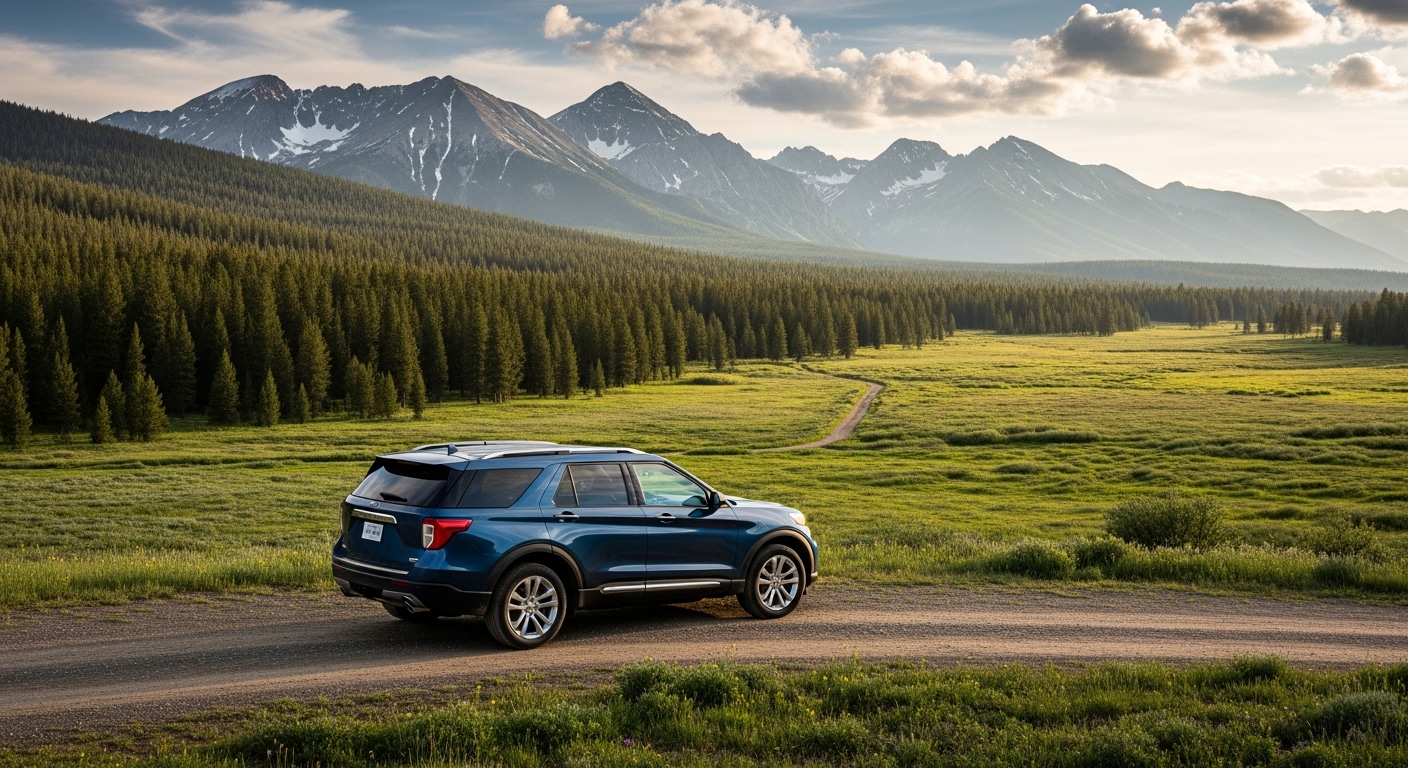
Choosing roof rack cross bars for a Ford Explorer turns oddly frustrating fast. It sounds like a simple purchase until the wind starts howling at highway speed and your cargo feels like it’s slowly negotiating its escape. You need bars that clamp down tight, don’t twist when you hit the brakes hard, and still keep the Explorer looking normal, not like a test rig held together by guesswork. After wading through load numbers, fitment quirks, and owner complaints that never quite explain the real problem, one setup keeps landing in the safer zone. The FengYu 300lb Roof Rack Cross Bars stand out because they stay planted, carry actual weight without fuss, and don’t turn long drives into a noise endurance test.
Best 5 Roof Rack Cross Bars for Ford Explorer
01. FengYu 300lb Roof Rack Cross Bars

The FengYu 300lb Roof Rack Cross Bars are aimed at Explorer owners who need more carrying room without cutting into the roof or fighting factory hardware. These lockable crossbars attach directly to raised side rails and are rated to carry up to 300 lbs while driving, which is more than enough for rooftop cargo boxes, kayaks, bikes, skis, or weekend hauling gear. The aluminum alloy build helps keep the overall weight reasonable, and the matte black finish doesn’t look out of place against factory roof rails.
What makes these bars appealing is how balanced they feel in daily use. They’re compatible with common clamp-style accessories like cargo baskets and kayak mounts, so you’re not locked into one setup. Installation isn’t difficult, but getting the spacing right matters more than people expect. For Explorer owners who want a lower-cost option instead of factory crossbars, this set covers most real needs without feeling cheap or oversized.
Pros
- Rated for up to 300 lbs, suitable for cargo boxes, bikes, and kayaks
- Lockable design adds basic theft resistance
- Aluminum crossbars resist rust and weather wear
- Compatible with raised factory roof rails on Ford Explorer
- Aerodynamic profile helps reduce wind noise compared to square bars
Cons
- Fitment is vehicle-specific, not a universal roof rack solution
- Locks are functional but not high-security grade
- Instructions could be clearer for first-time roof rack installs
02. KINGGERI 330lbs All Aluminum Roof Rack Cross Bars

The KINGGERI 330lbs All Aluminum Roof Rack Cross Bars are made for drivers who actually load their roof and expect it to hold up. Built from lightweight aluminum alloy, these bars are designed to carry kayaks, rooftop cargo boxes, bike racks, skis, snowboards, and luggage carriers without a lot of flex or rattling. A 330 lb load rating is strong for an aftermarket system, and the built-in locking mechanism adds some security when parking overnight or traveling long distances.
On the road, wind noise stays fairly controlled thanks to the low-profile shape, though you’ll still hear some airflow at highway speed. The black powder-coated finish handles sun and rain well, which helps if the vehicle stays outside most days. These cross bars make sense for camping trips, road travel, or regular hauling if OEM pricing feels hard to justify.
Pros
- Strong 330 lbs load capacity for cargo carriers, kayaks, and bikes
- All-aluminum construction keeps weight down and resists rust
- Locking mechanism helps deter quick theft attempts
- Compatible with many SUVs that have raised side rails
Cons
- Some wind noise at higher speeds depending on vehicle shape
- Fit can be tight on certain roof rail designs
- Instructions could be clearer for first-time installs
03. Tuyoung 300lbs Lockable Roof Rack Cross Bars

The Tuyoung 300lbs Lockable Roof Rack Cross Bars focus on simple utility without trying to be fancy. Designed for select 2020–2024 vehicles with factory side rails, these aluminum bars support everyday hauling like roof boxes, kayaks, skis, snowboards, bike racks, and cargo baskets. The locking system is useful if the SUV is parked outdoors often, and the slimmer profile helps reduce wind noise compared to bulkier roof rack cross bars.
With a rated capacity of 300 lbs, these bars are best suited for light to medium loads rather than heavy commercial use. Installation is mostly bolt-on with no drilling, which makes them friendly for DIY installs. The powder-coated aluminum finish holds up against rust and weather, making them usable year round for road trips and weekend runs. They don’t feel premium, but for the price range, they handle the basics reliably.
Pros
- Lockable design helps reduce theft risk when parked
- 300 lb load capacity suits roof boxes, kayaks, and luggage carriers
- Aluminum construction keeps weight down and resists corrosion
- Vehicle-specific fit for 2020–2024 models with raised side rails
Cons
- Not ideal for heavy-duty or commercial roof loads
- Fitment limited to compatible vehicles only
- Lock mechanism feels basic compared to higher-end roof rack systems
04. Wonderdriver 300lbs Lockable Roof Rack Cross Bars
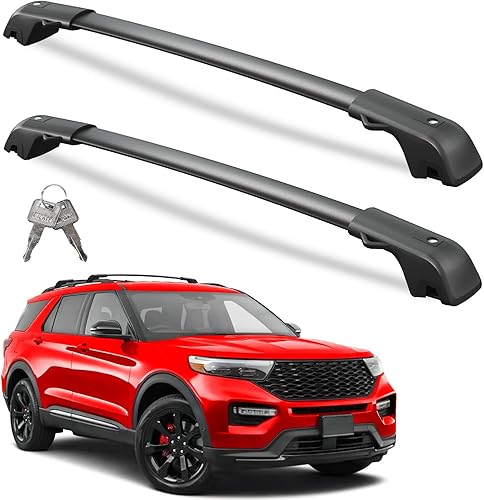
The Wonderdriver 300lbs Lockable Roof Rack Cross Bars are built for Explorer owners who actually use their roof instead of leaving it empty. These aluminum crossbars mount cleanly onto factory side rails and are rated for up to 300 lbs of driving load. They’re meant for real gear like kayaks, cargo boxes, bikes, baskets, and even the occasional lumber haul that wasn’t planned ahead of time. The lockable design adds some reassurance when the vehicle is parked at trailheads or hotel lots.
Installation stays straightforward with no drilling into the roof, which matters for daily-driven SUVs. The aluminum construction keeps weight down while still holding steady under load. These cross bars work with most common accessories, including roof boxes and ski or kayak mounts, making them a flexible option for Explorer owners who swap gear depending on season. Not flawless, but dependable for what they cost.
Pros
- Lockable roof rack cross bars add basic theft resistance
- Aluminum build helps resist rust and weather wear
- 300 lbs capacity supports cargo boxes, bikes, kayaks, and baskets
- Compatible with factory side rails on select Ford Explorer models
- Lower profile design reduces wind drag compared to bulky bars
Cons
- Fitment depends heavily on Explorer year and roof rail style
- Locks are functional but not heavy-duty security hardware
- Load rating assumes evenly distributed weight, not point loads
- Instructions could be clearer for first-time roof rack installs
05. FLYCLE 220lbs Roof Rack Crossbars
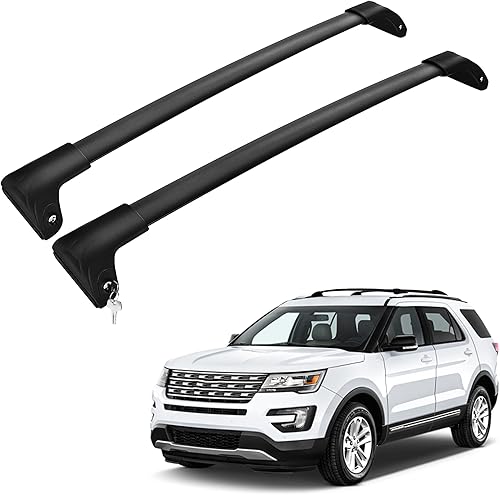
The FLYCLE 220lbs Roof Rack Crossbars are designed for drivers who actually load their vehicle rather than keeping racks just for appearance. Made to fit factory side rails, these cross bars support up to 220 lbs, which works well for kayaks, rooftop bags, cargo boxes, ladders, skis, snowboards, and general travel gear. The aluminum build helps keep weight manageable, and the low-profile shape cuts down on the whistling noise many roof rack systems create.
An anti-theft locking system is included, which is something often missing in lower-priced crossbar kits. That adds peace of mind when parking overnight or leaving the vehicle at trailheads. These bars fit well for moderate hauling and regular travel use, though they’re not meant for heavy off-road abuse or constant overload. For everyday roof cargo needs, they stay practical and predictable.
Pros
- 220 lb load capacity supports cargo boxes, kayaks, and rooftop carriers
- Aluminum crossbar build helps reduce overall vehicle weight
- Anti-theft locking mechanism included
- No-drill installation on compatible factory side rails
- Lower wind noise compared to bulky square bars
Cons
- Fitment is vehicle-specific, not a universal roof rack system
- Lock cores are basic compared to premium brand options
- Not designed for heavy commercial or constant off-road use
How to Choose The Cross Bars for Ford Explorer
Choosing crossbars for a Ford Explorer sounds simple at first, but it rarely stays that way. Roof shapes change, trim levels differ, and load needs are never the same from one owner to another. A crossbar that works fine for weekend luggage may struggle with kayaks or cargo boxes. This article breaks the topic carefully, using real-world considerations and verified vehicle standards, without hype or sales noise. Small details matter here, and missing them often leads to noise, wobble, or worse, roof damage.
Understanding the Ford Explorer Roof Design
The Ford Explorer has evolved through multiple generations, and roof design changed quietly with each update. Some trims come with raised side rails, others use flush rails, and a few base trims may have bare roofs with fixed mounting points. Crossbars must match this exact layout, otherwise fitment becomes guesswork fast.
Roof width and rail spacing also varies slightly by model year. Even a few millimeters off can cause uneven pressure on mounting clamps. That pressure builds over time, especially on long highway drives, which is why exact compatibility matters more than brand names.
Why Factory Load Ratings Matter
Every Explorer has a roof load rating set by the manufacturer. This number includes the weight of the crossbars themselves plus the cargo placed on them. Many owners forget this part and only calculate cargo weight.
Industry safety data shows that exceeding roof load limits increases rollover risk during emergency maneuvers. This is not theoretical stuff, it’s based on vehicle stability testing done across SUVs over many years. Staying within limits protects both handling and roof structure, especially during sudden braking.
Dynamic load while driving is very different from static load when parked. A roof may hold more weight at rest, but once moving, wind force and vibration multiply stress on the mounts.
Raised Rails vs Flush Rails Crossbars
Raised rail systems usually allow clamp-on crossbars. These are simpler to install and easier to remove when not needed. However, they can sit slightly higher, which sometimes increases wind noise.
Flush rail systems need vehicle-specific crossbars that lock into preset points. These tend to look cleaner and sit lower. Lower height reduces drag and often improves fuel efficiency slightly, though not dramatically.
Using the wrong type for your rail style leads to loose fittings or uneven contact. This is one of the most common mistakes Explorer owners make, especially when buying online.
Material Choice and Why It Affects More Than Weight
Most quality crossbars use aluminum alloys. Steel exists too, but it adds weight quickly and reduces usable cargo capacity. Aluminum resists corrosion better, which matters if the vehicle sees rain, snow, or coastal air.
Aero shaped bars reduce wind resistance compared to square bars. Wind tunnel testing across multiple roof rack designs has shown noticeable noise reduction with tapered profiles. The difference is not subtle at highway speed, especially above 60 mph.
Finish quality matters more than it looks. Poor coatings chip, and exposed metal corrodes. Once corrosion starts, clamping force weakens slowly over time.
Noise, Drag, and Fuel Economy Effects
Roof crossbars always affect airflow. Even when empty, they disturb air moving over the roof. Studies on mid-size SUVs show fuel economy drops between 2 to 5 percent with crossbars installed, depending on bar shape and spacing.
Spacing matters. Bars set too far apart create extra turbulence. Bars too close reduce cargo stability. Most manufacturers recommend spacing based on roof length, not just what looks balanced.
Wind noise complaints often come from improper alignment rather than bad products. A few degrees of tilt can change airflow enough to cause whistling sounds.
Locking Systems and Theft Prevention
Crossbars without locks invite problems. Tools can remove basic clamp systems in minutes. Locking cores don’t make racks impossible to steal, but they increase time and noise, which matters.
Integrated locks are better than add-on cable systems. They protect the mounting point itself, not just the bar. This becomes important when carrying expensive gear like bikes or cargo boxes.
Compatibility With Accessories
Not all crossbars accept all accessories. Kayak saddles, ski carriers, and roof boxes use different mounting widths and channel types. Some bars support T-slot mounting, others rely on clamp-around hardware.
Before buying crossbars, confirm they work with your most frequent cargo. Replacing bars later costs more than choosing correctly at the start.
Installation Complexity and Long-Term Use
Tool-free systems sound appealing, but they must still maintain torque over time. Temperature changes cause metal expansion and contraction, which loosens poorly designed clamps.
Bolted systems take longer to install but often hold alignment better. Rechecking tightness every few months is still smart, especially after carrying heavy loads.
Crossbars left on year-round should be inspected for seal compression. Over time, rubber pads can flatten, reducing grip without obvious warning signs.
OEM vs Aftermarket Crossbars
OEM crossbars are designed to match the Explorer roof perfectly. They usually cost more, but fitment issues are rare. Aftermarket options offer more flexibility in shape, weight rating, and accessory compatibility.
Quality aftermarket brands test their products to international load and vibration standards. Cheap generic bars often skip this step entirely, which shows up months later, not immediately.
Choosing between OEM and aftermarket depends on usage. Occasional light cargo favors OEM. Frequent heavy hauling benefits from stronger aftermarket systems.
Final Thoughts Before Buying
Choosing crossbars for a Ford Explorer is less about trends and more about matching real needs. Roof type, load limits, accessory plans, and driving habits all play a role. Ignoring even one of these leads to compromises you feel every mile.
A well chosen system fades into the background. No noise, no movement, no second thoughts while driving. That quiet confidence is usually the best sign you picked correctly.
