

Choosing crossbars for the Bronco Sport is one of those decisions that feels simple at first, then suddenly complicated once roof limits, rail spacing, wind noise, and daily use start stacking up. The roof is short, the rails sit tight, and not every bar behaves well once speed picks up or loads stretch longer than expected. After comparing fit, weight balance, clamp stability, and real world use patterns, the KINGGERI 265lbs Roof Racks Cross Bars stand out as the most sensible option for the Bronco Sport. Built with a vehicle specific fit, solid aluminum construction, and a load rating that comfortably exceeds the vehicle’s own limits without adding unnecessary weight, this setup stays stable, quieter than most budget bars, and easier to live with long term. For owners who want reliability without overcomplicating things, KINGGERI delivers a balance that just works, even if the marketing numbers sound bigger than what you will ever actually use.
Best 5 Cross Bars for Bronco Sport
01. KINGGERI 265lbs Roof Racks Cross Bars
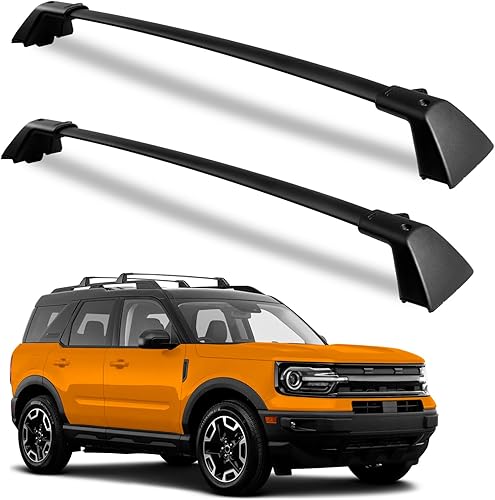
The KINGGERI 265lbs Roof Rack Cross Bars are built for practical hauling without stepping into premium pricing. The aluminum construction supports everyday rooftop gear like cargo boxes, bike racks, ski mounts, and kayak carriers. They mount directly onto factory side rails and sit relatively close to the roof, which helps keep wind noise from getting out of hand on highway drives.
These crossbars are commonly used on SUVs and crossovers for road trips and weekend hauling. Installation is straightforward, and once mounted, they feel stable for moderate loads. They’re best suited for regular cargo use rather than constant heavy-duty hauling.
Pros:
- 265 lb load capacity for cargo boxes and outdoor gear
- Lightweight aluminum build
- Compatible with factory side rails
- Budget-friendly alternative to premium brands
Cons:
- No integrated locking mechanism
- Finish durability may vary over long-term use
02. FengYu Roof Rack Cross Bars
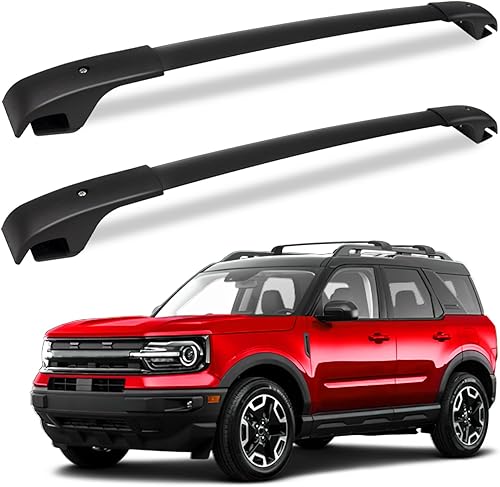
The FengYu Roof Rack Cross Bars are designed for light to moderate rooftop hauling, including luggage carriers, snowboard racks, bike mounts, and roof baskets. The aerodynamic bar shape helps reduce wind noise compared to bulkier square crossbars, especially during highway driving.
These bars are a common pick for daily drivers and family SUVs where flexibility matters more than extreme load ratings. They perform well for seasonal gear and short trips but are not meant for rooftop tents or oversized cargo setups.
Pros:
- Aerodynamic design helps limit wind noise
- Supports common rooftop accessories
- Lightweight aluminum construction
- Affordable option for casual use
Cons:
- Lower load rating than heavy-duty systems
- Locking hardware not included
03. ERKUL Roof Rack Cross Bars

The ERKUL Roof Rack Cross Bars focus on vehicle-specific compatibility rather than universal fit. This approach results in a cleaner install and a more factory-style look once mounted. The aluminum bars support cargo boxes, roof baskets, and kayak mounts without excessive flex.
They’re often chosen by drivers who care about appearance as much as function. While they handle everyday hauling well, they’re better suited for organized gear rather than oversized or constantly loaded setups.
Pros:
- Vehicle-specific fit improves stability
- Low-profile design blends with factory rails
- Compatible with most rooftop accessories
- Straightforward installation process
Cons:
- Not intended for very heavy or oversized loads
- Limited adjustability after installation
04. HEKA Roof Rack Cross Bars

The HEKA Roof Rack Cross Bars are built for simple, no-frills rooftop hauling. Made from aluminum alloy, they support cargo carriers, bike racks, and roof boxes commonly used for travel and daily utility.
These bars are popular with SUV owners who want something functional without complicated hardware. They handle normal driving conditions well, though wind noise can increase slightly at higher speeds depending on vehicle shape.
Pros:
- Easy installation on factory roof rails
- Suitable for common cargo and bike racks
- Lightweight and corrosion-resistant material
- Cost-effective solution
Cons:
- No built-in locking system
- Wind noise may increase at highway speeds
05. FengYu 300lb Lockable Roof Rack Cross Bars
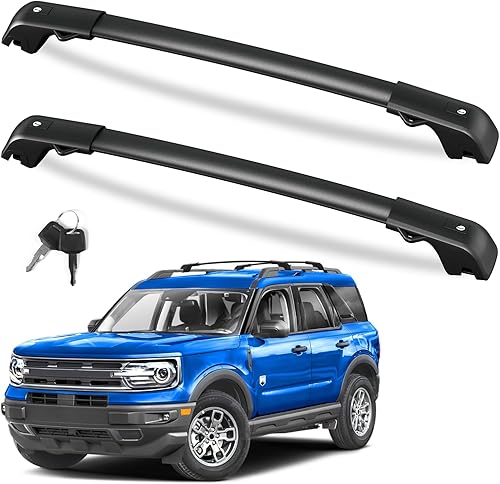
The FengYu 300lb Lockable Roof Rack Cross Bars are designed for higher load demands and added security. With a 300 lb weight rating and integrated locking covers, they’re well-suited for kayaks, cargo boxes, and camping gear that stays mounted during long trips.
These crossbars are often used for extended travel or outdoor-focused builds where theft deterrence matters. The added strength comes with slightly more weight, but the trade-off makes sense for frequent hauling.
Pros:
- 300 lb load capacity
- Integrated locking covers for added security
- Suitable for heavier rooftop gear
- Durable aluminum construction
Cons:
- Heavier than non-locking crossbars
- Higher price compared to basic models
How to Choose the Best Crossbars for Bronco Sport Roof
The Bronco Sport looks compact but it carries weight in odd ways, literally. The roofline is shorter than a full size SUV, and the rails sit closer together than many people expect. That spacing alone changes how crossbars behave once speed, wind, and load come into play. Many owners notice this after the first highway run, some noise appears, sometimes a little sway. It feels small, but over time it adds stress.
Roof crossbars are not just metal sticks on top. They decide how stable your cargo stays, how quiet the cabin feels, and how much trust you put in the roof structure itself. Ford’s own roof load limits exist for a reason, and ignoring the details tends to end badly, or at least annoyingly.
Factory Roof Specs You Should Know First
Before buying anything, understanding the Bronco Sport roof numbers helps avoid mistakes. Ford lists a dynamic roof load rating around 150 pounds for most trims, including the weight of the crossbars themselves. That number is not negotiable, even if a bar brand claims higher limits.
Static load ratings are higher, often used for parked rooftop tents, but that applies only when the vehicle is not moving. Many owners confuse the two, and that confusion costs money later. The roof rail design on the Bronco Sport is flush mounted, meaning clamp style crossbars must be built specifically for that rail shape.
Crossbar Shape and Why Wind Noise Starts Early
Bar shape matters more than marketing makes it seem. Square bars are cheaper, yes, but they create noticeable wind resistance. At 60 mph and above, that resistance turns into sound. Aero shaped bars reduce that effect by cutting airflow smoother, though they still make some noise depending on placement.
Studies in vehicle aerodynamics show that roof mounted accessories can increase drag by 5 to 15 percent depending on profile and load size. That translates into fuel economy loss, usually 1 to 2 mpg for daily highway use. Some drivers feel it, some ignore it, but it is there.
Weight Ratings
Manufacturers often advertise crossbars with load ratings like 220 pounds or 300 pounds. That number is the bar system limit, not what your Bronco Sport roof can accept. The lower number always wins. So if the bars hold 220 pounds but the roof is rated for 150, you stay at 150 minus bar weight.
This mismatch confuses buyers constantly. It leads to overbuilt setups that look strong but offer no extra safety. In fact, heavier bars eat into usable load capacity. Lighter aluminum systems often make more sense here, even if they feel thinner in hand.
Fitment Specific to the Bronco Sport Rails
Universal crossbars sound convenient but they rarely sit perfectly on the Bronco Sport. The roof rails curve slightly, and clamp tension must be even to avoid rail stress. Poor fitment causes shifting under braking or rough roads, something reported often in owner forums.
Vehicle specific kits cost more but reduce installation errors. They also keep the bar height lower, which improves garage clearance and reduces drag. Lower is usually better on this vehicle, especially for daily driving.
What You Plan to Carry Changes Everything
Kayaks, cargo boxes, bikes, and skis all behave differently on a short roof. Long items like kayaks require wider bar spacing, which is limited on the Bronco Sport. That means proper cradle accessories become more important than bar length alone.
Cargo boxes work well if sized correctly. Oversized boxes push forward too far, interfering with the rear hatch or sunroof operation. Bike racks add vertical height quickly, increasing crosswind sensitivity. None of this shows on the product page, but it shows on the road.
Materials and Long Term Durability
Most quality crossbars are aluminum, sometimes with internal steel reinforcement. Steel bars exist, but they add weight and rust risk over time. Aluminum resists corrosion better, especially in humid or coastal climates.
Powder coating quality matters more than color. Thin coatings chip easily, leading to oxidation spots. Over several years, this affects both looks and grip where accessories clamp down. Cheap finishes always age faster, no exceptions really.
Locking Systems and Theft Reality
Locking crossbars are not theft proof, but they slow things down. Opportunistic theft is far more common than professional removal. A simple integrated lock often does enough. External padlocks tend to rattle and look messy on this vehicle.
Brands with long histories usually refine their lock cores better. Companies like Ford, Thule, and Yakima have spent years improving these small details, even if it is rarely talked about.
Cost Versus Value Over Years
Cheap crossbars often work fine at first. The problems appear later, noise increases, coatings fade, clamps loosen slightly. Higher priced systems tend to stay consistent longer. Over five years, the difference shows clearly.
Industry sales data shows roof rack accessories are one of the most frequently replaced exterior add ons on compact SUVs, often due to dissatisfaction rather than failure. Buying once, carefully, reduces that cycle.
Final Thoughts
Choosing crossbars for a Bronco Sport is not about maximum numbers or bold claims. It is about matching the roof limits, the rail design, and your actual usage. Small mismatches add up over time, in noise, fuel use, and frustration.
Take measurements, read load charts slowly, and think about what you carry most days, not once a year. That mindset usually leads to fewer regrets, and a quieter drive, most of the time.
