

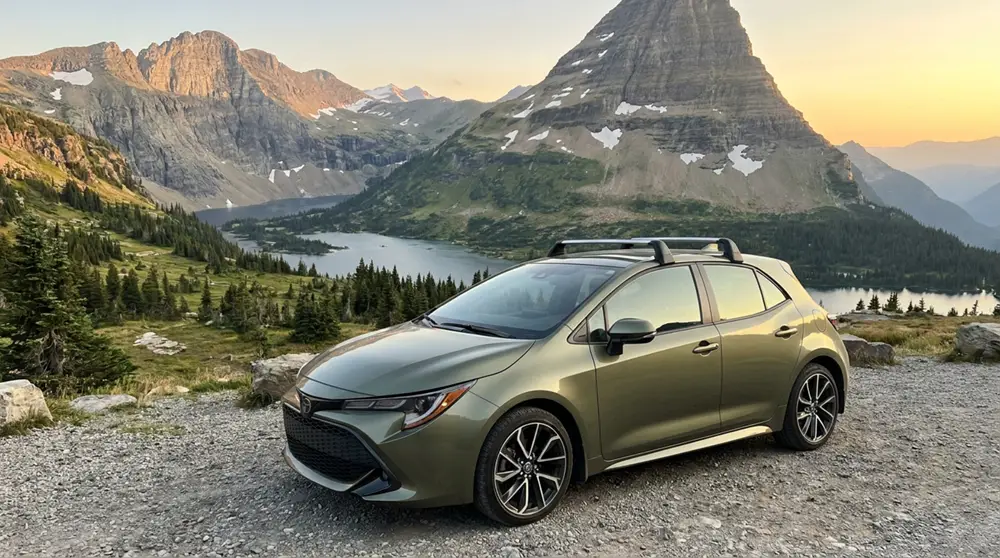
Finding the right roof rack cross bars for a Toyota Corolla is one of those things people ignore until the wind noise starts shouting back at you on the highway. You want bars that clamp down solid, don’t chew up the paint, and don’t flex like bargain gym gear once bikes or a cargo box go up top. Corolla roof designs change by year more than most owners realize, so guessing usually ends rough, sometimes expensive. After looking at load ratings, fit accuracy, and how these bars behave in real daily use, one option keeps coming back as the sensible pick, not just brochure talk. The KINGGERI 260Lbs Lockable Roof Rack Cross Bars stand out because they balance strength, quieter airflow, and a clean sit on the roof, without making the car feel top heavy or awkward, which matters more than people admit. For everyday driving and occasional hauling, KINGGERI gets the basics right without overdoing it.
Best 5 Roof Rack Cross Bars for Toyota Corolla
01. KINGGERI 260Lbs Lockable Roof Rack Cross Bars

The KINGGERI 260Lbs Lockable Roof Rack Cross Bars are made for drivers who actually put their roof to work, not just leave it empty for looks. The aluminum build is designed to carry real cargo like kayaks, roof boxes, luggage baskets, ski racks, and work gear, with a stated 260 lb capacity that suits many SUVs and crossovers using factory side rails.
The lockable setup adds a basic theft deterrent, which helps when the vehicle is parked overnight, at trailheads, hotels, or job sites where gear tends to attract attention. Installation is usually simple, and the low-profile design keeps wind resistance more controlled than heavier steel systems. For everyday hauling and longer trips, KINGGERI lands in a practical middle zone, strong enough for real use without jumping into premium pricing.
Pros
- Lockable design helps reduce casual theft risk
- Aluminum construction keeps weight down while supporting heavy cargo
- 260 lb load rating works for cargo carriers, kayaks, skis, and rooftop boxes
- Compatible with many vehicles that have factory side rails
- More affordable than several big-name roof rack brands
Cons
- Lock quality is basic, not high-security
- Fit can be tricky on some roof rail shapes
- Instructions could be clearer for first-time installs
- Not ideal for vehicles without raised or flush side rails
02. Autekcomma Heavy Duty Roof Rack Crossbar

The Autekcomma Heavy Duty Roof Rack Crossbar is aimed at drivers who use their roof regularly but don’t want unnecessary extras. These aluminum cross bars mount clean onto factory side rails and create a stable base for kayak racks, roof boxes, cargo baskets, or even light ladder setups.
The low-profile shape helps limit wind noise on highway drives, and the corrosion-resistant coating makes sense for rain, snow, and long-term exposure. Installation stays fairly straightforward if your vehicle already has factory rails, and once tightened down, the bars feel steady under load. For camping gear, skis, or weekend hauling, Autekcomma keeps things simple and functional without overcomplicating the setup.
Pros
- Heavy-duty aluminum construction with anti-corrosion finish
- Compatible with many vehicles that have factory roof rails
- Supports common accessories like roof cargo boxes, bike racks, and kayak carriers
- Low-profile design helps reduce wind drag compared to bulkier bars
Cons
- Not suitable for vehicles without factory roof rails
- Instructions could be clearer for first-time roof rack installs
- Limited color or design options compared to premium brands
03. Wonderdriver Lockable Roof Rack Cross Bars

The Wonderdriver Lockable Roof Rack Cross Bars are built for drivers who need more cargo room without touching permanent modifications. These bars clamp onto factory side rails and include an integrated lock system, which adds peace of mind when the car is parked in public areas. Aluminum construction keeps overall weight lower, making them suitable for carrying cargo boxes, bike racks, kayaks, or rooftop luggage during daily drives or long highway runs.
Fitment is intended for select vehicles with factory rails, and the slim profile helps keep wind noise from getting out of hand. For people who want lockable crossbars without paying OEM prices, Wonderdriver fits that need fairly well, as long as alignment is done carefully.
Pros
- Lockable roof rack cross bars add basic theft resistance
- Lightweight aluminum crossbars won’t overload factory roof rails
- Works with cargo boxes, bike racks, kayak mounts, and roof baskets
- Cleaner profile than many universal roof rack systems
Cons
- Only fits vehicles with factory side rails
- Locks are functional but not heavy-duty security hardware
- Wind noise can still show up at higher speeds
- Load rating depends on vehicle roof limits, not just the bars
04. SNIXWOO 220 LBS Roof Racks

The SNIXWOO 220 LBS Roof Racks are designed for drivers who need extra carrying space on a Toyota Corolla , without bolting on bulky aftermarket gear. These cross bars attach directly to factory side rails and sit low on the roof, which helps reduce drag and odd wind sounds at highway speed. The aluminum build keeps weight reasonable while still supporting cargo like roof boxes, kayak carriers, bike racks, or compact luggage baskets. With a 220 lb load rating, they cover most everyday needs like camping gear or sports equipment. SNIXWOO keeps this setup focused on compact vehicles, offering practicality without changing the overall look too much.
Pros
- Vehicle-specific fit for Toyota Corolla models
- 220 lb load rating suitable for cargo boxes, bikes, and kayaks
- Lightweight aluminum construction with a clean, low-profile shape
- Works with many common roof rack accessories and carriers
Cons
- Limited compatibility outside listed Corolla model years
- Not ideal for very heavy or oversized rooftop loads
- May require re-tightening after long highway drives
05. DBXB-RV Roof Rack Crossbars
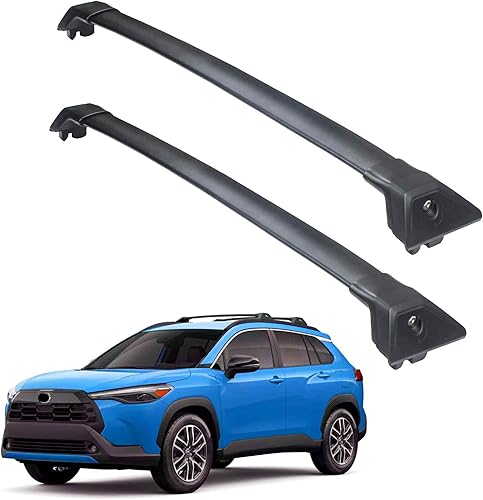
The DBXB-RV Roof Rack Crossbars are built for newer SUV roof layouts, fitting factory side rails on select models. These aluminum cross bars are meant for everyday hauling, including roof cargo boxes, kayaks, bikes, luggage baskets, skis, and snowboards. The finish feels solid, the profile stays fairly low, and the locking feature adds some theft resistance when parked in busy areas. Installation stays simple with no drilling, which matters if you want to keep factory rails untouched. Wind noise remains manageable for a budget-focused system, especially with streamlined accessories. DBXB-RV may not replace premium rack systems, but for daily utility and occasional heavier loads, it handles the job without much fuss.
Pros
- Aluminum construction keeps weight down while staying rigid
- Lockable design helps deter casual theft
- Compatible with common roof rack accessories like cargo carriers and kayak mounts
- Simple clamp-on install for factory side rails
Cons
- Vehicle compatibility is limited to specific model years
- Not designed for extreme off-road or oversized loads
- Instructions could be clearer for first-time installs
How to Find The Best Roof Rack Cross Bars for Toyota Corolla
The Toyota Corolla has been one of the highest selling passenger cars worldwide for decades, that part is well known. In many major markets, annual Corolla sales have crossed the one million mark more than once, which means millions of owners face the same small but nagging problem. Cargo space runs out faster than expected, especially on road trips or family errands.
Crossbars change that equation quietly. They turn a compact sedan into something more flexible, not dramatic, just practical. A roof box, bikes, a small kayak, even long flat packed furniture, all become possible. Many Corolla owners ignore roof loading until the first time a suitcase refuses to fit, then the research begins a little late.
Understanding Your Toyota Corolla Roof Type First
Before looking at brands or prices, the roof itself needs attention. Corolla roof designs vary more than most buyers realize, even within the same generation.
Some Corolla trims come with a completely bare roof. Others include fixed mounting points hidden under small plastic covers. A few hatchback versions use flush side rails, while sedans usually do not. This detail matters because crossbars are engineered for specific attachment styles, not general shapes.
Using the wrong mounting type can lead to uneven load distribution, extra wind noise, or worse, movement at highway speeds. Many returns and complaints start here, not with product quality.
Factory Rated Load Limits Are Not Just Legal Talk
Toyota specifies a maximum dynamic roof load for the Corolla, which generally falls in the 75 kg range including crossbars and cargo combined. That number includes everything sitting on the roof while the car is moving, not parked.
Data from automotive safety testing consistently shows that exceeding roof load limits raises rollover risk during sudden lane changes. Even smaller sedans like the Corolla show measurable handling changes once roof weight goes beyond factory limits. This is not theory, it shows up in controlled tests.
Choosing crossbars with a higher rating than the vehicle allows does not increase what the car can safely carry. It only adds unnecessary weight to the roof, which affects braking and cornering slightly, but noticeably.
Aluminum vs Steel Crossbars for Corolla Use
Material choice looks simple but has subtle effects.
Aluminum crossbars are lighter, which matters on a small sedan roof. Reducing dead weight preserves handling balance, especially during long drives. Aluminum also resists corrosion better in humid or coastal areas, where steel can show surface rust over time.
Steel crossbars tend to cost less and feel solid to the hand, but they add weight where you least want it. On a Corolla, the difference between steel and aluminum bars can be several kilograms, which eats into the allowed cargo capacity before you load anything.
For most Corolla owners, aluminum makes more sense, even if the upfront cost is slightly higher.
Aerodynamic Shape Is Not About Looks
Crossbar shape affects fuel economy more than marketing suggests. Wind tunnel testing across compact sedans shows that square bars can increase drag noticeably at highway speeds. Oval or wing shaped bars reduce airflow separation and cut noise.
Real world driving data from fleet studies indicates that poorly designed roof bars can reduce fuel efficiency by 5 percent or more at steady speeds. On a car known for fuel economy, that matters. Over a year of commuting, the difference adds up, even if it feels minor per trip.
Noise also matters. A high pitched whistle at 80 km per hour becomes tiring fast, and many drivers remove bars simply because of sound, not performance.
Locking Systems and Theft Risk on Sedans
Crossbars on sedans attract less attention than on SUVs, but theft still happens. Locking mechanisms prevent casual removal, not determined theft, but that is usually enough.
Most modern crossbar systems include integrated locks, keyed alike for both bars. This avoids mismatched keys and frustration later. Cheap clamp style bars often skip proper locking or use soft plastic housings that crack in heat.
In hotter climates, low grade plastic can warp slightly, loosening grip over time. That is not always visible until the bar shifts under load.
Compatibility With Accessories
Many owners buy crossbars first, then accessories later. This is where regrets start.
Bike racks, roof boxes, ski carriers, and kayak mounts often require specific bar widths or T slot channels. Some Corolla sized bars are narrow, limiting accessory fit. Others lack T slots entirely, forcing clamp only attachments.
Accessory manufacturers publish compatibility standards for a reason. Ignoring them leads to improvised mounting, which increases stress points and reduces safety margins.
Thinking two steps ahead saves money later, even if accessories are not planned immediately.
Installation Difficulty Is Not Equal Across Brands
Crossbars marketed as universal often require more adjustment than model specific kits. For a Corolla, precise door frame geometry matters. Poor fit leads to uneven pressure on seals, which can cause water noise or minor leaks over time.
Model specific bars usually install faster, with fewer adjustments. Torque settings are often preset, reducing guesswork. Universal kits depend heavily on installer patience and accuracy, which not everyone enjoys.
Installation time may seem trivial, but mistakes here follow the car for years.
When Cheap Crossbars Cost More Over Time
Low priced crossbars appeal quickly, especially for occasional use. But failure rates tell a different story.
Consumer testing data from transport safety agencies shows that cheaper roof systems are more likely to loosen under vibration, especially on rough roads. Retightening becomes routine, which most people forget to do consistently.
A loosened bar does not always fall off. Sometimes it shifts just enough to damage roof paint or distort door frames. Repairing that costs far more than a better bar would have initially.
Matching Crossbars to How the Corolla Is Actually Used
Not every Corolla needs the same solution. Daily commuters carrying bikes once a month need something different than families using roof boxes every holiday.
For light occasional loads, lower profile aerodynamic bars make sense. For frequent cargo, sturdier systems with proven accessory compatibility matter more than appearance.
Overbuying creates unused capacity and extra weight. Underbuying creates risk and frustration. Balance comes from honest assessment, not future hypotheticals.
Final Thoughts
Choosing crossbars for a Toyota Corolla is less about brand hype and more about matching design limits, roof type, and real usage. The Corolla rewards moderation and precision, not excess.
Most problems traced back to crossbars come from ignoring vehicle limits, rushing installation, or chasing the lowest price. None of those decisions age well.
A well chosen set of crossbars should feel invisible most days, then quietly useful when needed. That is the standard worth aiming for, even if it takes a little longer to choose.
