

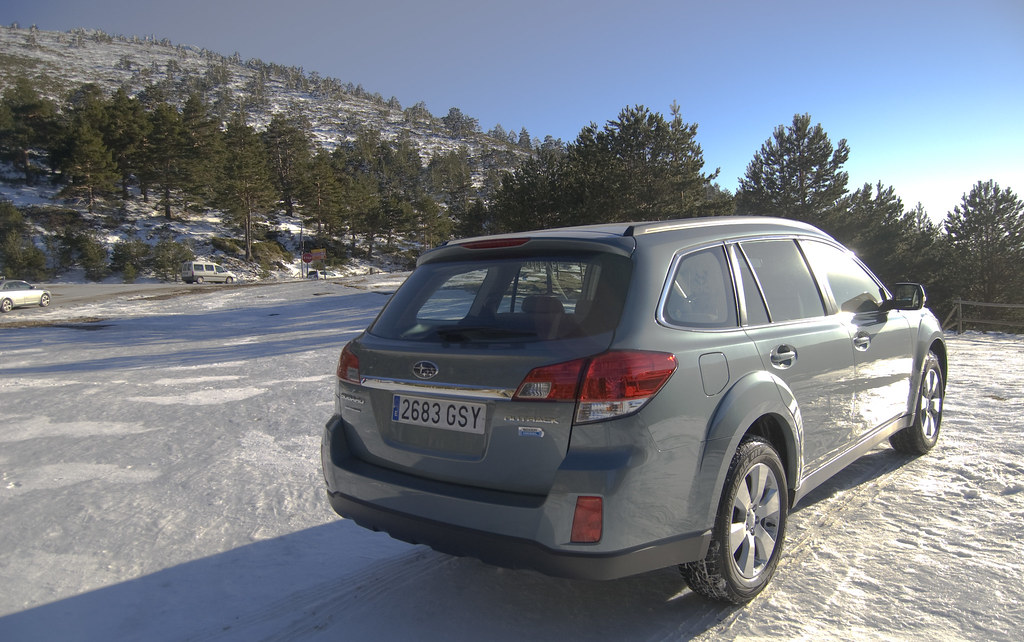
If you’re setting up a Subaru Outback Wilderness for real use, hauling kayaks, bikes, or a rooftop cargo box, the crossbars matter more than most people think. They become the base for everything else. The bars need to fit the vehicle properly, handle the weight you actually plan to carry, support lockable accessories, and stay reasonably quiet once speeds climb. Miss one of those points and the setup gets annoying fast.
After going through fit details and long term owner feedback, the option that stands out most is the Thule WingBar Evo. It offers strong build quality, consistent fit on the Outback Wilderness rails, and noticeably lower wind noise when loaded. It performs well with cargo boxes and outdoor gear, without feeling overbuilt or fragile, which is not always easy to balance.
Best 5 Crossbars for Subaru Outback Wilderness
01. FLYCLE 300Lbs Lockable Roof Rack Cross Bars

The FLYCLE 300Lbs Lockable Roof Rack Cross Bars are made with Subaru Outback Wilderness owners in mind, especially those who use the roof often but don’t want bulky hardware sitting up top. The aluminum build keeps overall weight down while still handling everyday rooftop gear like cargo boxes, ski racks, and kayak carriers. The bars sit close to the factory rails, which helps cut down vibration and cuts some wind noise at highway speed.
Locking covers provide basic theft resistance, useful when accessories stay mounted overnight or during longer stops. These crossbars feel aimed at real world outdoor use rather than exaggerated load claims. They fit camping trips, road travel, and light adventure setups well, as long as weight expectations stay reasonable.
Pros
- Designed for Subaru Outback Wilderness roof rails
- Lockable covers for basic security
- Aluminum build with corrosion resistance
- Supports cargo boxes, bike racks, and kayaks
Cons
- Load rating limits heavy overlanding setups
- Locks are functional but not premium grade
- Installation requires careful alignment
02. Tuyoung 330lbs Lockble Roof Rack Cross Bars

The Tuyoung 330lbs Lockable Roof Rack Cross Bars are clearly aimed at drivers who regularly carry heavier rooftop loads. With a higher stated capacity, these bars are commonly used with roof baskets, traction boards, and larger cargo containers for longer drives. The aerodynamic profile helps keep wind resistance from getting annoying, especially on open highways.
Once mounted, the system feels planted on the Outback Wilderness factory rails and doesn’t shift around much. Locking hardware adds peace of mind at fuel stops, and the aluminum structure holds up well against rain, snow, and road grime with little attention needed. These bars suit users who want strength without committing to a full expedition rack.
Pros
- Higher load rating than many similar crossbars
- Lockable design for added peace of mind
- Works with roof baskets and cargo platforms
- Weather-resistant aluminum construction
Cons
- Slightly heavier than lower-capacity bars
- Wind noise can increase if mounted too far apart
- Not intended for permanent heavy-duty builds
03. FengYu 330lbs Roof Rack Cross Bars

The FengYu 330lbs Roof Rack Cross Bars focus on durability and straightforward design, which makes them a frequent pick for mixed cargo like storage boxes, camping equipment, and water sports gear. They attach directly to the raised rails on the Subaru Outback Wilderness and keep a stable stance across the roof, helping weight spread evenly.
There’s nothing complicated here. The aluminum frame resists rust, and the bar shape works with most universal mounts without fuss. These crossbars fit drivers who want something reliable for regular use, without constant retightening or adjustment checks.
Pros
- Strong load capacity for varied rooftop gear
- Compatible with most universal rack accessories
- Simple, no-frills mounting design
- Holds up well in wet and dusty conditions
Cons
- Locking system is basic
- Finish may show wear with frequent removal
- Instructions could be clearer for first-time installs
04. Koarigo Roof Rack Cross Bars

The Koarigo Roof Rack Cross Bars lean heavily into adjustability, letting users fine tune bar spacing depending on what’s being carried. That flexibility helps when switching between bike racks, cargo boxes, or longer items like ladders and paddleboards. They match the rugged look of the Outback Wilderness without feeling oversized or awkward.
Built in anti theft features come standard, and once tightened properly, the clamps hold firmly to the factory rails. These bars are often chosen by drivers who value flexibility more than pushing maximum load limits, especially for mixed city driving and outdoor weekends.
Pros
- Adjustable spacing for different gear setups
- Lockable mounts for basic security
- Clean fit on Outback Wilderness roof rails
- Suitable for bikes, boards, and cargo boxes
Cons
- Not the highest load capacity in this group
- Adjustment process takes extra time
- Locks require occasional lubrication
05. Wonderdriver 300lbs Roof Rack Cross Bars

The Wonderdriver 300lbs Roof Rack Cross Bars are designed to balance everyday driving comfort with weekend utility. Built for Subaru Outback Wilderness models, they sit lower on the roof, which helps reduce drag while still supporting common gear like ski mounts, roof boxes, and kayak holders.
Installation uses a clamp on design that avoids drilling or permanent changes. These bars work best for drivers who carry gear occasionally rather than hauling heavy loads all the time. Visually, they blend into the vehicle well and don’t stand out unless you’re looking for them.
Pros
- Low-profile design helps limit wind noise
- Lockable crossbars for added security
- Good fit for common outdoor accessories
- Easy install without permanent changes
Cons
- Lower load rating than some alternatives
- Not ideal for oversized roof platforms
- Locks are adequate, not heavy-duty
How to Choose The Best Crossbars for Subaru Outback Wilderness
Choosing crossbars for the Subaru Outback Wilderness is not a cosmetic decision, it is mechanical and practical. This trim exists for rough roads, heavier gear, and longer trips, and the roof setup has to respect that purpose. Many owners buy crossbars quickly, then later notice wind noise, shifting loads, or clamp marks that should not be there. This article approaches the choice like an editor would, careful, slow, and based on real constraints, not marketing talk.
The Outback Wilderness comes with raised factory rails, which already changes the decision process. Not all crossbars behave the same on raised rails, even if the box claims compatibility. Small design details matter more than people expect, and those details show up months later, not day one.
Understanding the Roof Rail Geometry on the Outback Wilderness
The Wilderness trim uses raised roof rails rather than flush rails. That gives more mounting options but also more room for mistakes. Raised rails allow crossbars to clamp underneath, which improves load stability when done right. But rail width and rail height vary slightly year to year, and crossbars must match those tolerances closely.
Subaru rates the dynamic roof load around 220 pounds when the vehicle is moving. That number includes the crossbars themselves. Static load when parked is higher, which matters for rooftop tents, though Subaru does not advertise that number loudly. Many users confuse static and dynamic ratings, and that confusion leads to bent bars over time.
The distance between rails also matters. Crossbars that are too short reduce usable spread, which affects kayaks and cargo boxes. Too long, and the bar sticks out awkwardly, sometimes hitting garage frames or heads.
Load Ratings Are Not Just Numbers on a Box
Manufacturers list load ratings, but they assume ideal conditions. Smooth roads, evenly distributed weight, proper torque, and no sudden impacts. Real driving is not like that. Gravel roads, crosswinds, and emergency braking all change the forces involved.
Aluminum crossbars are common because they balance strength and weight. Steel bars carry more load but add mass up high, which affects handling slightly. On the Outback Wilderness, which already sits higher than standard trims, extra roof weight becomes noticeable during fast lane changes.
Independent testing across multiple roof systems has shown that wind resistance increases fuel consumption by roughly 5 to 15 percent when loaded, depending on bar shape and cargo. Aero shaped bars reduce that penalty, though they cost more and sometimes limit accessory compatibility.
Aerodynamic Shape Versus Utility Shape
This is where buyers split into camps. Aero bars are quieter, lighter, and more fuel friendly. They often include T slots for accessories, which keeps the top surface clean. However, their curved profiles can limit certain clamp style mounts.
Square or round bars are louder but extremely versatile. Many older accessories still expect that shape. They also tend to ice up more easily in winter climates, which affects noise and mounting security.
On the Outback Wilderness, road noise is already dampened better than older Outbacks, but roof noise still travels through the cabin. Over long drives, that constant low whistle becomes tiring, even if it seems minor at first.
Material Quality and Coating Durability
Powder coating quality matters more than people admit. Cheap coatings chip easily, then corrosion begins underneath. In coastal or snowy regions where salt is present, this becomes visible within a year.
Extruded aluminum bars with internal reinforcement hold their shape better under uneven loads. Hollow bars flex more, which is not always obvious until accessories start shifting slightly after bumps.
Lock cores also deserve attention. Not all locks resist dust and moisture equally. Once a lock seizes, removal becomes a frustrating task involving drilling or cutting, and nobody wants that on a roof rail.
Fit Systems and Why Universal Is Not Always Universal
Many crossbars advertise universal fit. That word hides compromises. Universal clamps rely on friction and adjustable jaws, which can loosen if not checked regularly. Vehicle specific fit kits contour to the rail shape and spread load more evenly.
Brands like Thule and Yakima invest heavily in vehicle testing, including emergency maneuvers and long term vibration tests. That testing costs money, which shows up in price, but also in reliability.
Less known brands sometimes reuse clamp molds across many vehicles. They may fit initially but develop play after repeated thermal cycles, hot days and cold nights do change metal tolerances slightly.
Accessory Compatibility Matters More Than First Purchase
Most owners start with bare crossbars, then add gear later. Kayak saddles, ski racks, cargo boxes, bike mounts. Some bars accept only T slot accessories, others require wrap around clamps.
The Outback Wilderness is often used for mixed gear. A cargo box one weekend, kayaks the next. Crossbars that allow tool free removal of accessories save time and reduce scratches. That convenience becomes important after repeated seasonal changes.
Also consider bar spacing. Some rooftop boxes require a minimum distance between bars to open fully without hitting the hatch. Wilderness owners notice this quickly due to the taller rear profile.
Noise Management and Real World Driving
Wind noise complaints dominate roof rack reviews, but noise perception varies by speed and surface. At 55 mph, most systems are quiet. At 75 mph with crosswinds, differences appear clearly.
Rubber infill strips reduce whistling by closing T slots. Without them, even premium bars can howl. Some users remove strips to mount accessories and forget to reinstall unused sections, causing noise that seems mysterious.
Cold weather stiffens rubber slightly, which can change noise patterns seasonally. This surprises many owners who installed bars in summer.
Installation Accuracy and Torque Discipline
Improper torque is the most common cause of crossbar failure. Too loose and the bar shifts. Too tight and the rail coating compresses, sometimes cracking over time.
Manufacturers specify torque values for a reason. Hand tightening until it feels snug is unreliable. A small torque wrench is a wise investment, especially for expensive vehicles like the Outback Wilderness.
After the first long drive, recheck torque. Metal settles slightly under load, and that first retightening often prevents future issues.
Price Versus Longevity Tradeoffs
Budget crossbars can work for light use, occasional luggage, short trips. But for frequent outdoor use, rough roads, or heavier gear, they often show wear early.
Higher priced systems spread load better, resist corrosion longer, and keep noise lower. Over five years of ownership, the cost difference shrinks when replacements are avoided.
Data from consumer automotive accessory surveys shows that roof rack replacements due to noise or corrosion typically occur within 18 to 24 months for lower tier systems, while premium systems often last the life of the vehicle.
Final Selection Criteria
When choosing crossbars for the Subaru Outback Wilderness, focus on fit accuracy, realistic load needs, and future accessory plans. Ignore exaggerated claims and focus on construction details. Check rail compatibility twice, not once. Accept that quieter bars usually cost more, and heavier bars change handling slightly.
The best crossbars are the ones you stop thinking about after installation. They stay quiet, hold steady, and adapt as your gear changes. That reliability is not accidental, it is designed, tested, and paid for upfront, even if that feels annoying at checkout time.
